安防系統整合:提升大廈安全的關鍵策略
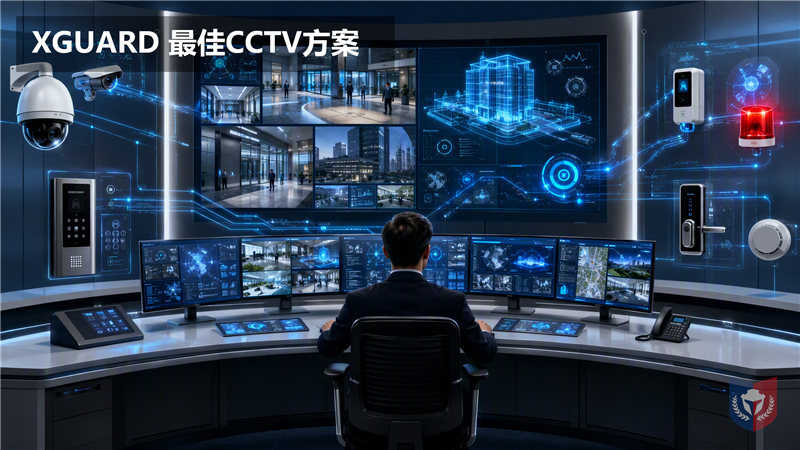
整合CCTV、門禁與警報系統,實現智能聯動,全面提升大廈安全管理效率
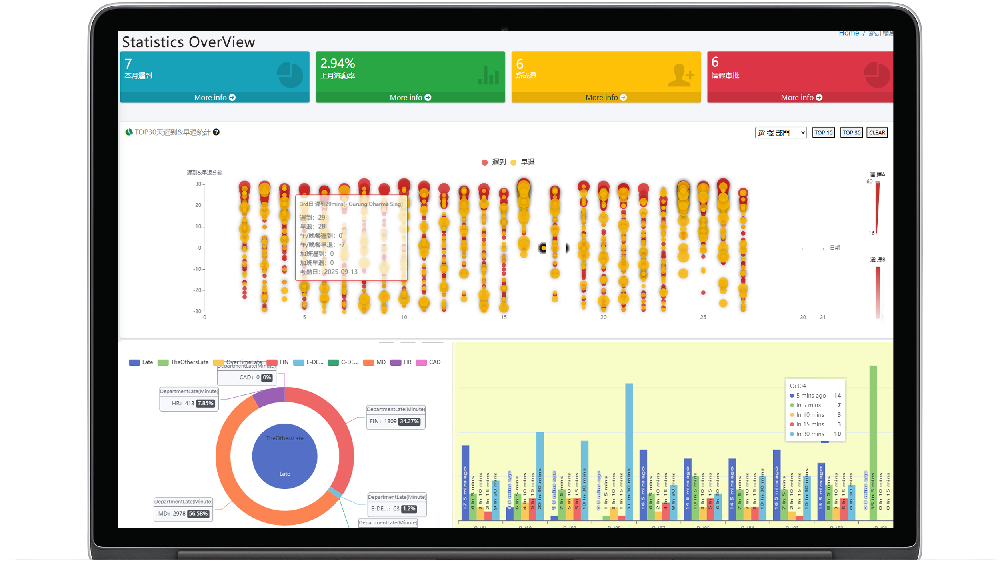
考勤与薪酬管理系统
考勤、薪酬、门禁、多功能集成系统,助力企业降本增效! Details
整合自动化考勤与薪酬计算, 高度安全的流程化,保障薪酬计算安全可控, 请假排班,多分支,连锁,分销, 多账目,功能全面。
Introduction
With rapid urbanization, building security management faces unprecedented challenges. Traditional security systems often operate in silos—CCTV surveillance, access control, and alarm systems function independently, leading to information islands and hindering efficient response. To address increasingly complex security threats, security system integration has become a key strategy for enhancing building safety. This article explores the advantages of security system integration, implementation steps, and how intelligent automation can upgrade building security management.
Advantages of Security System Integration
Unified Management for Enhanced Efficiency
The primary advantage of security system integration is unified management. By integrating subsystems such as CCTV, access control, and alarms into a central management platform, administrators can monitor the entire building's security status in real-time without switching between multiple systems. This simplifies operations and significantly improves emergency response speed. For instance, when the access control system detects unauthorized entry, the platform can immediately retrieve relevant CCTV footage to verify the situation and take appropriate action.
Intelligent Linkage for Stronger Protection
Integrated security systems enable intelligent linkage. When an event triggers, the system can automatically execute a series of predefined actions. For example, when an alarm is triggered, CCTV automatically switches to the relevant area, access control locks related entrances, and lighting turns on, forming a robust security barrier. This linkage not only enhances protection but also reduces delays caused by manual intervention.
Data Analysis for Informed Decision-Making
Integrated systems can also collect and analyze vast amounts of data, providing valuable insights for administrators. For example, analyzing CCTV footage and access records can identify high-risk areas or time periods, optimizing patrol routes and resource allocation. Additionally, image recognition technology enables the system to automatically identify suspicious individuals or behaviors, providing early warnings and mitigating security risks before they escalate.
Steps to Implement Security System Integration
Needs Analysis and Planning
The first step in implementing security system integration is a comprehensive needs analysis. Administrators must clearly define the building's specific security requirements, including surveillance coverage, access control points, and alarm types. Future scalability should also be considered to ensure the system can be upgraded. Based on the analysis, a detailed integration plan is developed, covering system architecture, equipment selection, and network planning.
System Design and Deployment
After the plan is finalized, the system design and deployment phase begins. This step requires professional security engineers to ensure compatibility and stability among subsystems. Redundancy should be considered to avoid single points of failure. During deployment, cabling, installation, and commissioning must strictly follow standards to ensure each subsystem operates correctly.
Integration and Testing
Once deployed, integration testing is essential. Tests should cover linkage responses among subsystems, data transmission stability, and user interface usability. By simulating various security events, the system's actual performance is verified, and adjustments are made based on results. Only systems that pass rigorous testing should be officially put into operation.
Training and Maintenance
After the system goes live, training for administrators is crucial. Training should cover system operation, routine maintenance, and emergency procedures to ensure personnel can use the system proficiently. Additionally, a regular maintenance schedule should be established to update software and hardware, ensuring long-term stable operation.
Intelligent Automation Trends in Security Integration
With the rapid development of the Internet of Things (IoT), security systems are moving toward intelligent automation. Traditional CCTV systems are no longer limited to video surveillance; they have become sources of event streams, outputting various signals to IoT devices. For example, when CCTV detects abnormal behavior, it can trigger smart lighting, notify security personnel, or even lock smart locks.
Image Recognition and Artificial Intelligence
Image recognition is at the core of intelligent security. Through deep learning algorithms, systems can analyze video feeds in real-time to identify faces, license plates, and objects. In Hong Kong, our team has achieved a leading position in image recognition and training, with high-precision technical capabilities. This enables security systems to not only "see" but also "understand" and "think," significantly enhancing the intelligence level of security management.
Event-Driven Automated Response
Intelligent security systems are event-driven, enabling automated responses. When an event occurs, the system automatically triggers a series of actions based on predefined rules. For example, when the access control system detects unauthorized entry, the system sends an alert to administrators, while CCTV automatically records high-definition video and pushes information to mobile devices. This automated response improves efficiency and ensures timely handling of security incidents.
Conclusion
Security system integration is a vital approach to enhancing building safety. By integrating CCTV, access control, and alarm systems, unified management and intelligent linkage are achieved, improving security management efficiency and overall protection. With the advancement of intelligent automation, security systems will become even more intelligent and automated, providing stronger protection for buildings. Understanding the advantages and implementation steps of security system integration will help building managers and security engineers better address security challenges and improve building security management efficiency.
In the future, we look forward to seeing more innovative technologies applied in the security field, making building safety more comprehensive and creating safer environments for people's lives and work.
































精选短评
尚无短评,欢迎留下第一则。
写短评
支持粗体、列表;勿贴外部脚本或图片
0 / 2000
提交后需审核才会公开显示