香港CIC(建造業議會)對地盤考勤的安全管理約定有哪些?
考勤与薪酬管理系统
考勤、薪酬、门禁、多功能集成系统,助力企业降本增效! Details
整合自动化考勤与薪酬计算, 高度安全的流程化,保障薪酬计算安全可控, 请假排班,多分支,连锁,分销, 多账目,功能全面。
Here’s the full English translation of your uploaded document, formatted clearly and professionally:
Easy Guide! CIC Hong Kong Construction Industry Council Site Attendance Safety Management Agreement
Hello everyone! Today we’re going to talk about the Construction Industry Council (CIC) in Hong Kong and its safety management agreement for site attendance. If you work in the construction industry or are interested in site management, this article will help you quickly understand CIC’s attendance system and how modern technology can simplify the process. Don’t worry—I’ll explain everything in a simple, easy-to-follow way, step by step.
Introduction: Why Is CIC’s Attendance System So Important?
In Hong Kong, construction is one of the pillars of the economy, but site safety has always been a major concern. As an industry driver, CIC has established a strict attendance management agreement. Its purpose is not only to record workers’ clock-in and clock-out times, but also to ensure site safety, prevent unauthorized access, and improve overall efficiency.
Imagine if a construction site could manage attendance like a smart office—using technology to make it safer and easier. That’s exactly what CIC aims to achieve: combining rules and systems to make attendance smarter.
Main Content: CIC Attendance Safety Management Agreement and System Applications
CIC’s attendance system focuses not just on “who is working and when,” but more importantly on “how to work safely.” Here are the core elements and how modern systems support them:
1. How Does CIC Implement a Safe Attendance System?
CIC requires certified systems to record worker entry and exit. This includes:
- Identity Verification: Workers must clock in via biometrics (such as facial recognition) or NFC card scanning, ensuring only authorized personnel can enter. This prevents impersonation and reduces safety risks.
- Real-Time Monitoring: Attendance data is recorded instantly, allowing management to track site personnel at any time. In case of an accident, workers can be quickly located.
- Training & Compliance: Workers must complete safety training before being registered for attendance, ensuring everyone understands site rules.
For example, if a site uses an HR system with facial recognition clock-in, workers simply scan their face at the entrance. The system automatically records and verifies identity—fast and secure, avoiding loopholes in traditional methods.
2. How Are Worker Records Imported and Registered into CIC?
This is key! CIC’s import process is very different from a company’s usual Excel upload—it’s more interactive and relies on CIC’s dedicated platform.
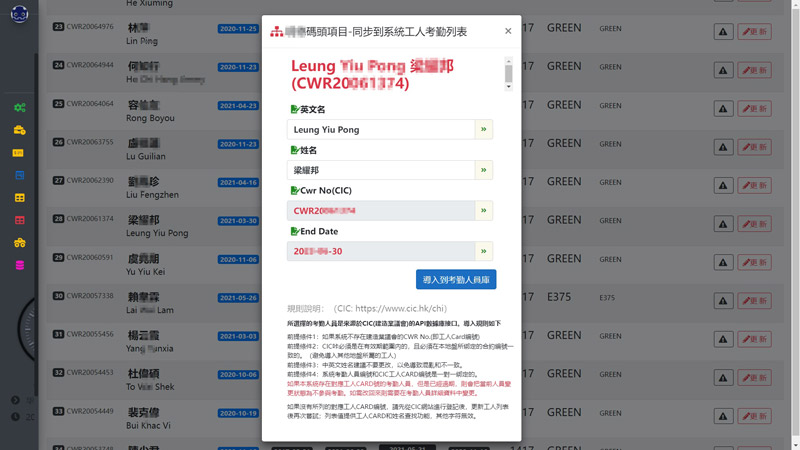
- CIC Platform Import:
- Step 1: Administrator logs into the CIC platform and uploads worker data (name, position, training certificates).
- Step 2: The system instantly verifies the data, such as checking whether training records are valid.
- Step 3: Once verified, worker data is bound to attendance devices (facial recognition or NFC), enabling seamless clock-in.
Benefits: Real-time synchronization, fewer errors, automatic alerts for issues (e.g., expired certificates).
- Generic Import (Excel files):
Many companies use Excel to upload worker lists. While simple, it lacks interactivity. Data may not update instantly, errors or duplicates can occur, and it doesn’t automatically link to safety standards.
In short, CIC’s system acts like a smart assistant, proactively ensuring compliance, while Excel is more like handwritten notes—requiring manual checks. For Hong Kong sites, combining CIC with cloud-based HRMS or multi-site attendance management systems makes the process smoother.
3. How Do Modern Systems Support CIC Attendance?
To meet CIC requirements, many Hong Kong companies adopt advanced HR systems. These systems not only comply with CIC standards but also simplify daily management:
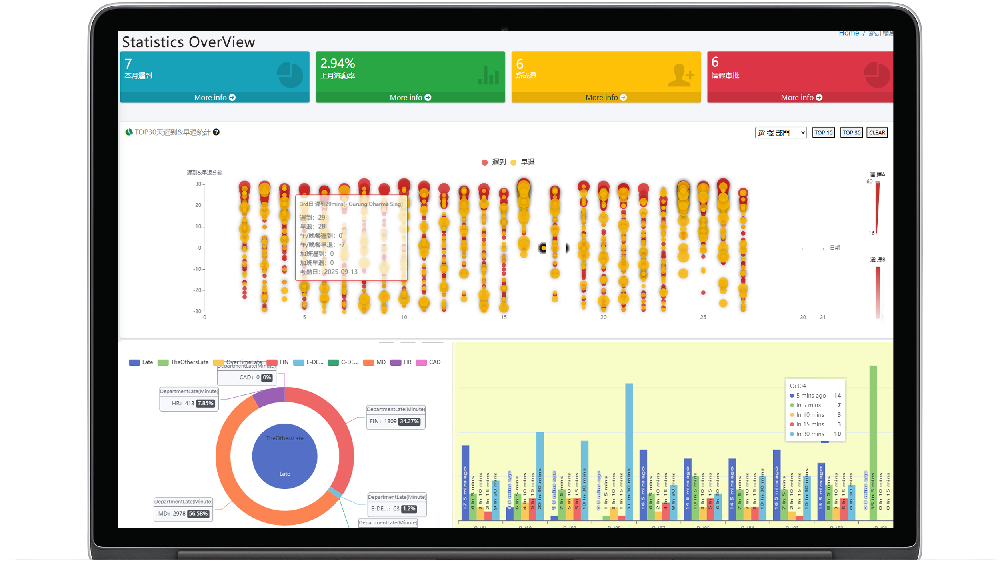
- Automated Attendance & Payroll: Systems like automated payroll settlement calculate salaries based on attendance data (monthly, weekly, yearly) and generate payslips instantly. Saves manpower and reduces errors.
- Alerts & Custom Scheduling: Attendance anomaly alerts notify managers of lateness, absences, or clock-in issues. Customizable scheduling systems allow flexible shift planning to suit site needs.
- Multi-Site Management: For companies managing multiple sites, multi-branch attendance systems or chain-store attendance software centralize data, ensuring every site complies with CIC standards.
Example: A Hong Kong construction firm uses an HRMS with NFC card support. Workers tap their card at site entry, data uploads to the cloud, and managers monitor remotely. Payroll systems then generate payslips automatically—safe, efficient, and compliant.
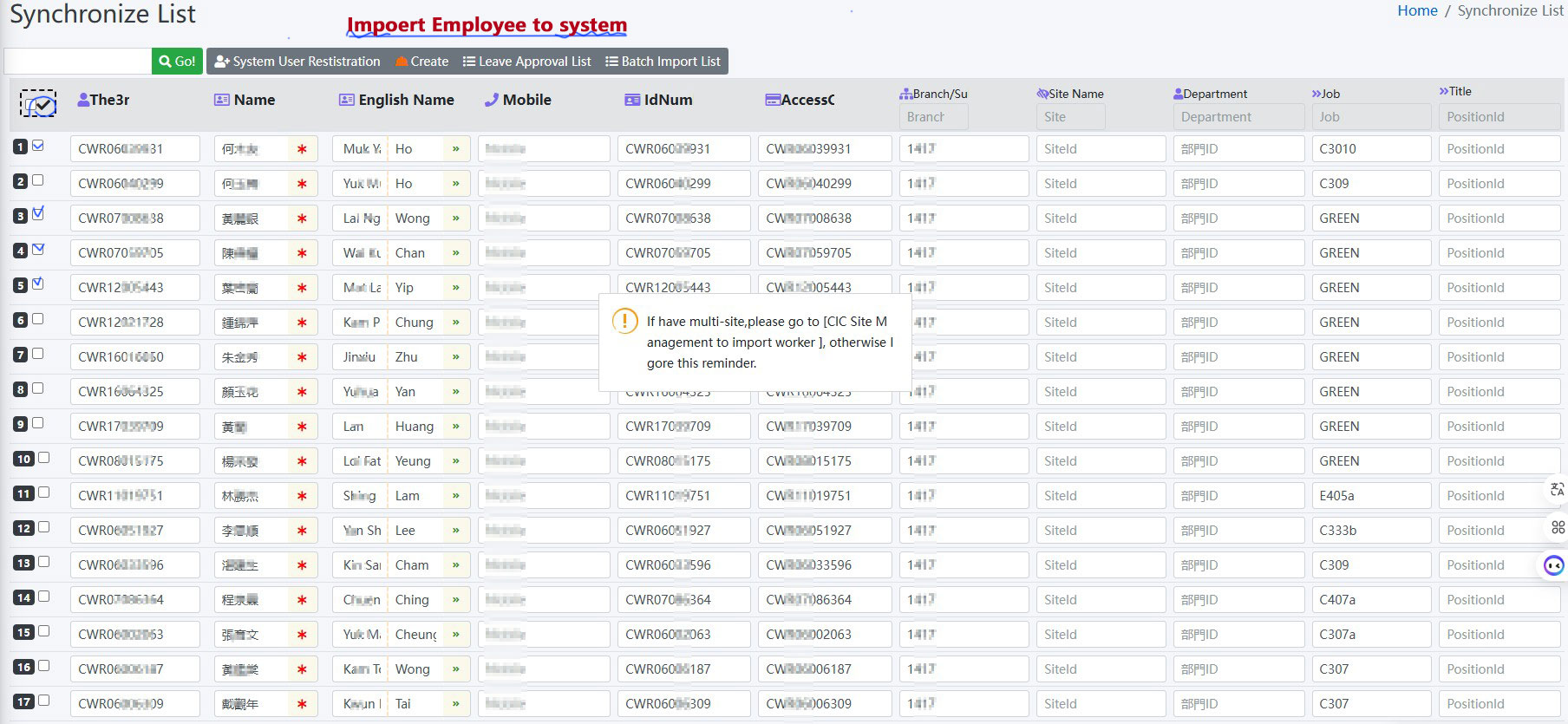
工人註冊證CWR 的如何作為CIC依據和工人管理。
Conclusion: Smart Attendance for Safer, More Efficient Sites
In summary, CIC’s attendance safety management agreement is not just theory—it’s a practical system combining rules and technology to create safer, more efficient construction sites. From facial recognition to cloud HRMS, these tools make attendance smarter, save time and costs, and strengthen safety.
If you’re looking for solutions, consider a Hong Kong SME attendance and payroll management system designed for local needs. It easily meets CIC requirements while upgrading your site management.
Hopefully this article gave you a clear understanding of CIC’s attendance system. Remember: good attendance management is not just about compliance—it’s the first step in protecting everyone’s safety.
































精选短评
尚无短评,欢迎留下第一则。
写短评
支持粗体、列表;勿贴外部脚本或图片
0 / 2000
提交后需审核才会公开显示