Innovative Applications of Raspberry Pi SC1176 in IOT Devices: Advantages and Market Positioning of NFC Attendance Systems
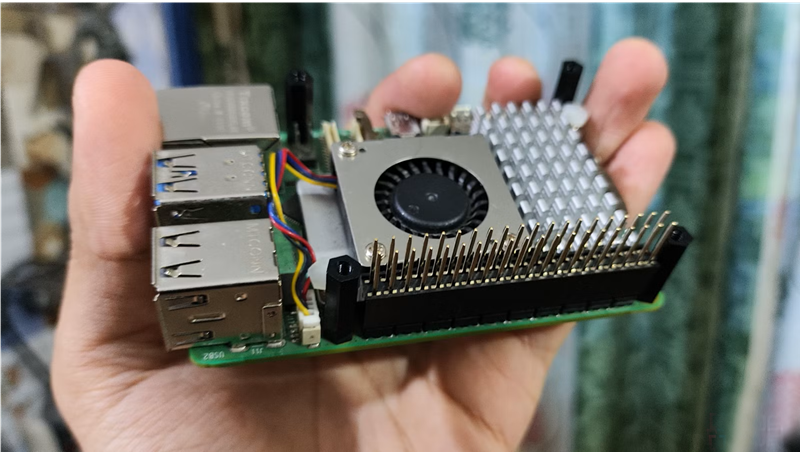
In an era dominated by facial recognition technology, low-cost, high-stability IOT devices like the Raspberry Pi SC1176 are playing a crucial role in harsh environments, serving as an effective complement to advanced IOT applications. This article delves into its use in NFC attendance systems and analyzes its advantages and disadvantages compared to common market devices.
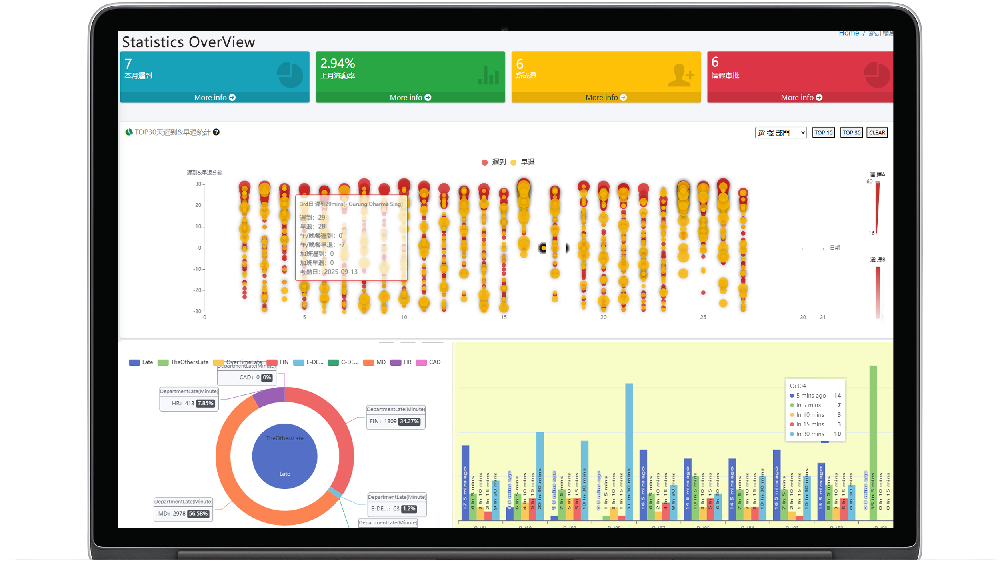
Time & Payroll Suite
Attendance, Payroll and Access Control Solution for Cost Reduction and Productivity Gains Details
All‑in‑one automated timekeeping and payroll system with robust, secure processes to guarantee payroll integrity. Includes leave management, shift rostering, multi‑site and chain support, multi‑ledger accounting, and comprehensive modules.
Raspberry Pi SC1176: A Flexible Solution in IOT Devices
In the rapidly evolving field of IOT applications, the Raspberry Pi SC1176 has become a preferred platform for many developers and enterprises due to its low cost, high flexibility, and strong community support. This ARM-based single-board computer is not only suitable for education and small projects but also shows great potential in industrial automation, smart homes, and security systems.
Implementation of NFC Attendance Systems
The application of NFC (Near Field Communication) technology in attendance management is becoming increasingly popular. Using the Raspberry Pi SC1176, we can build an efficient and reliable NFC attendance system. The core components include:
- Raspberry Pi SC1176 motherboard: Serves as the brain of the system, handling data processing and logic control.
- NFC read/write module: Used to identify employees' NFC cards or tags.
- Database system: Stores attendance records, with options like MySQL or SQLite for lightweight databases.
- Network module: Supports wired or wireless connections for data synchronization and remote management.
This Raspberry Pi-based solution is not only cost-effective but also highly customizable to meet enterprise needs, such as integrating alarm functions or connecting with existing HR systems.
Comparative Analysis with Common Market Devices
In the attendance management field, common market devices include dedicated attendance machines, biometric devices (such as fingerprint and facial recognition systems), and cloud-based solutions. The Raspberry Pi SC1176 has unique advantages and disadvantages compared to these devices.
Advantages
- Cost-effectiveness: Compared to dedicated attendance machines or advanced biometric systems, the hardware cost of the Raspberry Pi SC1176 is very low, often requiring only a few hundred Hong Kong dollars to build a complete system.
- Flexibility and customizability: As an open-source platform, the Raspberry Pi allows developers to modify hardware and software based on specific needs, such as adding temperature sensors to monitor environmental conditions or integrating other IOT devices.
- Stability and durability: In harsh environments, such as factory workshops with high temperatures, humidity, or dust, the simple architecture and low-power design of the Raspberry Pi SC1176 make it more stable than complex biometric devices. Facial recognition systems may fail in low light or when employees wear masks, while NFC attendance systems are unaffected by these factors.
- Ease of maintenance and upgrades: Due to its reliance on generic hardware and open-source software, system maintenance and upgrades are more convenient, without depending on specific vendors.
Disadvantages
- Technical threshold: Compared to plug-and-play dedicated attendance machines, Raspberry Pi-based systems require some technical knowledge for setup and maintenance, which may not suit all enterprises.
- Appearance and integration: Dedicated devices often have a more professional appearance and ready-to-use features, while Raspberry Pi solutions may require additional enclosures and configuration to achieve similar results.
- Support and warranty: Commercial-grade attendance equipment typically offers complete technical support and warranty services, whereas Raspberry Pi projects rely more on community or self-solved issues.
Value of IOT Applications in Harsh Environments
In today's context where facial recognition is prevalent, low-level IOT devices like the Raspberry Pi SC1176 are not outdated but serve as an important complement to advanced IOT applications. In harsh environments, such as construction sites, mines, or outdoor facilities, the simplicity and stability of these devices become key advantages.
- Environmental adaptability: The Raspberry Pi SC1176 can operate within a wide range of temperatures and humidity levels and is unaffected by light changes, making it perform well in NFC attendance applications.
- Data security: Through local data processing and encrypted transmission, privacy risks associated with cloud-based solutions can be reduced.
- Scalability: As enterprise needs change, the system can be easily expanded, such as by adding more NFC reading points or integrating other sensors.
Future Outlook and Recommendations
For enterprises, choosing an attendance system should involve a comprehensive consideration of cost, environmental conditions, and technical capabilities. The application of the Raspberry Pi SC1176 in IOT devices, especially in the NFC attendance field, offers a solution that balances flexibility and stability. It is recommended that small and medium-sized enterprises or specific industries (such as manufacturing and logistics) prioritize evaluating this low-cost option and combine it with professional development services to maximize its value.
In summary, in today's increasingly diverse IOT applications, devices like the Raspberry Pi SC1176 demonstrate that innovation does not necessarily come from high-cost investments but from a deep understanding of practical needs.


























Featured comments
No comments yet. Be the first.
Leave a comment
Bold and lists OK; no external scripts or images
0 / 2000
Comments appear after moderation