Hong Kong Construction Industry Fire Safety Revolution: Smart Monitoring and Security Systems Post-MacFook Yuen Fire
The recent MacFook Yuen fire has sparked intense discussion on fire safety in Hong Kong's construction industry. CIC Executive Director Cheng Ting-ning highlights smoking risks, while the industry explores integrating fire alarm systems with IoT technology. This article examines advanced fire monitoring solutions and CIC's registration framework to enhance site safety.
Time & Payroll Suite
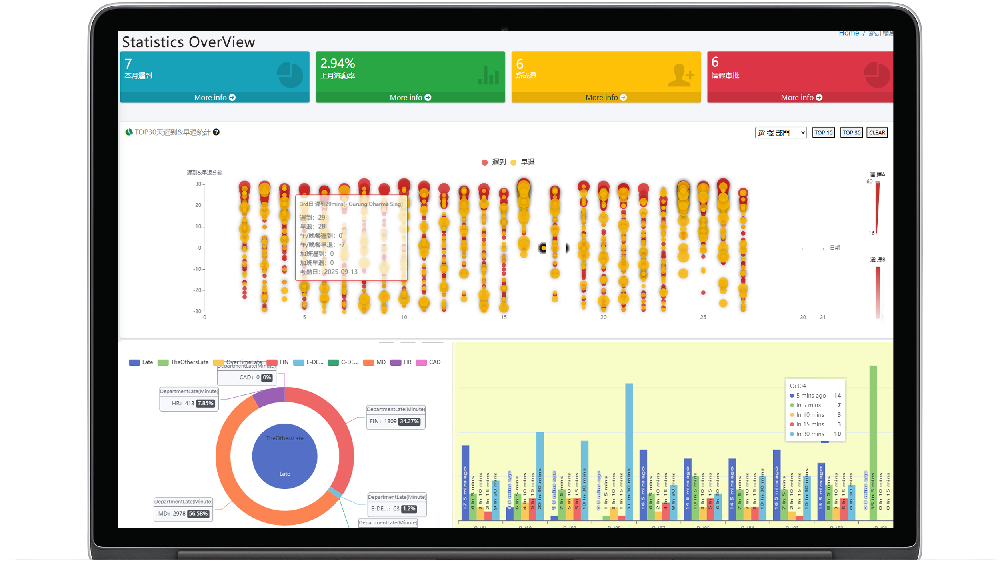
Attendance, Payroll and Access Control Solution for Cost Reduction and Productivity Gains Details
All‑in‑one automated timekeeping and payroll system with robust, secure processes to guarantee payroll integrity. Includes leave management, shift rostering, multi‑site and chain support, multi‑ledger accounting, and comprehensive modules.
Rethinking Construction Safety After the MacFook Yuen Fire
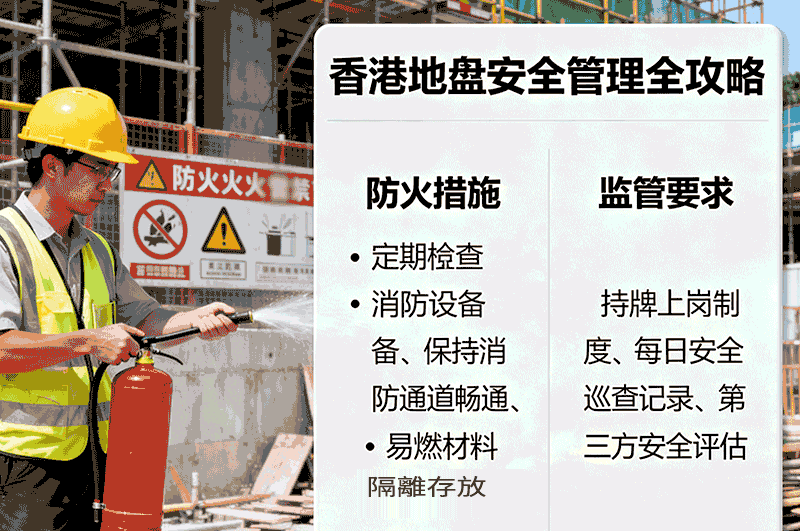
The recent fire incident at MacFook Yuen has triggered extensive attention and vigorous discussion within Hong Kong's construction industry. This fire not only exposed shortcomings in existing fire prevention measures but also prompted the industry to re-examine how technological solutions can enhance fire monitoring and security systems. CIC Executive Director Cheng Ting-ning stated in a media interview: "Smoking directly affects the physical and mental health as well as work performance of construction industry practitioners. Therefore, the Council regularly reminds trainees to stay away from smoking hazards whether in classrooms, site internships, or even during leisure time." This comment highlights the importance of human factor management in fire prevention.
Limitations of Traditional Fire Alarm Systems and Upgrade Needs
Traditional fire alarm systems face numerous challenges when applied to construction sites. Complex site environments—including dust, humidity, and temperature fluctuations—can affect sensor sensitivity, leading to false alarms or missed detections. Additionally, site-specific conditions such as temporary wiring and storage of flammable materials increase fire risks. Following the MacFook Yuen fire, industry experts have pointed out that relying solely on basic alarm devices is insufficient to meet the safety requirements of modern construction sites.
Innovative Applications of Smart Fire Monitoring Technology
With the development of Internet of Things (IoT) and artificial intelligence technologies, next-generation fire monitoring solutions are transforming safety paradigms in the construction industry. These systems typically include the following core components:
Multi-Sensor Fusion Detection
Modern fire alarm systems no longer rely solely on smoke detectors but integrate multiple devices such as thermal imaging cameras, gas analyzers, and temperature/humidity sensors. This multi-sensor fusion technology can more accurately identify early signs of fire, reducing false alarm rates. For example, thermal imaging can detect temperature anomalies before smoke production, buying valuable time for response.
Real-Time Data Analysis and Early Warning
Through edge computing and cloud platforms, intelligent fire monitoring systems can analyze sensor data in real time to identify abnormal patterns. When the system detects potential risks, it not only triggers on-site alarms but also automatically notifies safety managers, sends location information to fire departments, and activates related security systems (such as automatic sprinklers, fire door closures, etc.).
Visual Management Platforms
Integrated safety monitoring platforms allow managers to view the fire monitoring status of all sites in real time through dashboards. These platforms typically support mobile device access, making safety inspections more efficient. Some advanced systems also feature predictive maintenance capabilities, providing early warnings of equipment failures to ensure fire alarm systems remain in optimal working condition.
Regulations and Guidelines from the Hong Kong Construction Industry Council
While technological innovation is crucial, regulatory frameworks are equally important. The Hong Kong Construction Industry Council (CIC) enhances industry safety standards through multiple measures:
Worker Registration and Training
According to CIC's official website, the construction worker registration process aims to ensure practitioners possess basic safety knowledge and skills. Applicants must complete designated safety training courses, with fire safety being a core component. This system helps enhance workers' safety awareness at the source, complementing technical fire monitoring measures to create dual protection.
Registered Specialist Contractor Scheme
CIC's Registered Specialist Contractor Scheme requires contractors to demonstrate their safety management capabilities for executing specific works. For projects involving high fire risks (such as electrical installations, welding operations), contractors must showcase their fire monitoring and contingency plans. This scheme encourages the industry to adopt more advanced security systems, as registration status often directly affects insurance costs and tender eligibility.
Practical Application Cases and Benefit Analysis
Smart Site Fire Protection System Example
A major infrastructure project in Hong Kong recently deployed an integrated smart fire protection solution. The system combines wireless sensor networks, AI video analytics, and Building Information Modeling (BIM) data to achieve the following functions:
- Dynamic Monitoring of Risk Areas: Deployment of smart sensors in key areas such as flammable material storage zones and around temporary electrical boxes for continuous environmental parameter monitoring.
- Personnel Behavior Analysis: Use of video analytics to identify high-risk behaviors like smoking violations or improper use of open flames, with immediate alerts issued.
- Automated Response Procedures: When the fire alarm system is triggered, the system automatically cuts power in relevant areas, activates ventilation equipment, and guides evacuation routes.
Data from six months of implementation shows a 68% reduction in fire risk incidents at the site and a 45% improvement in safety inspection efficiency.
Cost-Benefit Considerations
Although advanced fire monitoring systems require initial investment, their long-term benefits are significant:
- Reduced Insurance Premiums: Insurance companies typically offer premium discounts for sites equipped with intelligent security systems.
- Minimized Downtime Losses: Effective fire prevention can avoid substantial losses caused by project delays.
- Enhanced Corporate Image: Demonstrating commitment to safety helps win client trust and government contracts.
Future Development Trends and Recommendations
Technology Integration and Standardization
The future development of construction fire monitoring will move toward deeper system integration. More solutions are expected to combine fire alarm systems with other site management systems (such as progress tracking, resource management) to create a unified smart site ecosystem. The industry also calls for clearer technical standards to ensure interoperability between devices from different manufacturers.
Policy Support and Incentive Mechanisms
Drawing on international experience, Hong Kong could consider introducing tax incentives or subsidy programs to encourage small and medium-sized contractors to invest in advanced fire monitoring technology. The Construction Industry Council could also incorporate the adoption of smart safety systems into Continuing Professional Development (CPD) scoring to motivate practitioners to learn relevant knowledge.
Cultural Change and Education Promotion
As emphasized by Executive Director Cheng Ting-ning, technological measures must be accompanied by the establishment of a safety culture. The industry is advised to strengthen fire safety training, particularly on the correct use and maintenance of fire alarm systems. Simultaneously, case sharing (such as lessons from the MacFook Yuen fire) can enhance risk awareness across the entire industry.
Conclusion
The MacFook Yuen fire is a painful reminder but also an opportunity to drive safety innovation in the construction industry. By combining intelligent fire monitoring technology, robust security systems, and the Hong Kong Construction Industry Council's comprehensive registration framework, the industry can significantly improve fire safety standards. Moving forward, continuous technological innovation, policy support, and cultural development will be key to ensuring the safety of construction industry practitioners and promoting sustainable industry growth.































Featured comments
No comments yet. Be the first.
Leave a comment
Bold and lists OK; no external scripts or images
0 / 2000
Comments appear after moderation