How Can Existing Construction Sites Upgrade to Compliance? A Smart Surveillance Retrofit That Saves Time and Money
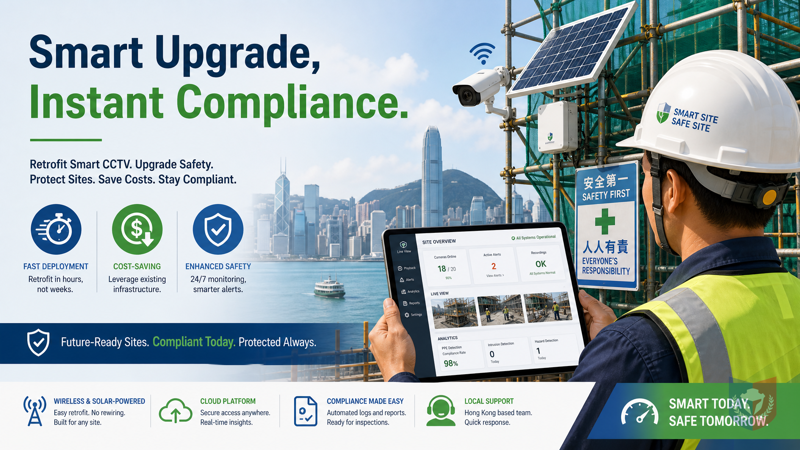
Under the new CIC and Development Bureau requirements, project managers, engineers and builders need a practical digital site safety strategy—flexible retrofits, fast compliance, minimal disruption.
Time & Payroll Suite
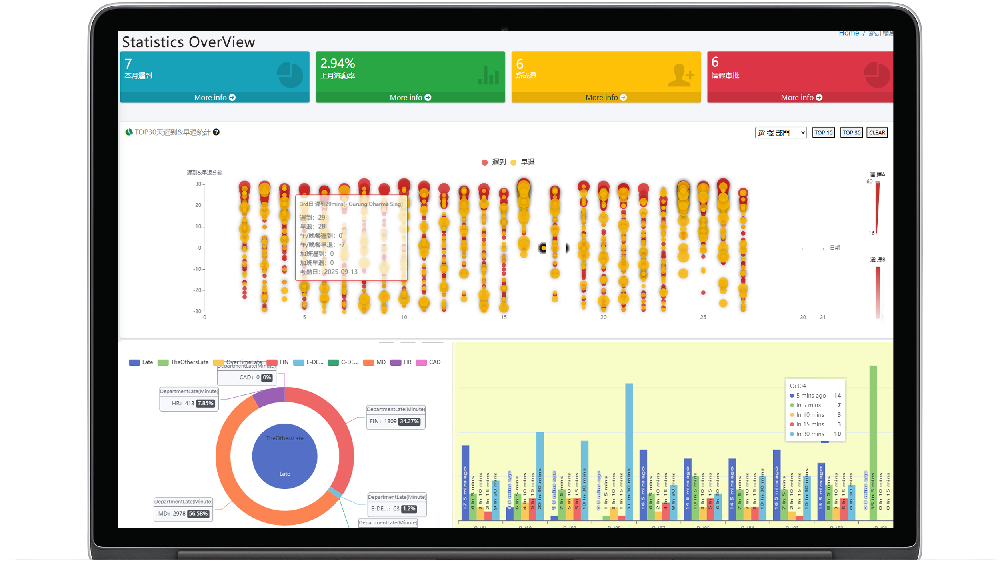
Attendance, Payroll and Access Control Solution for Cost Reduction and Productivity Gains Details
All‑in‑one automated timekeeping and payroll system with robust, secure processes to guarantee payroll integrity. Includes leave management, shift rostering, multi‑site and chain support, multi‑ledger accounting, and comprehensive modules.
Existing Sites Must Act Now
In recent years, the Hong Kong Construction Industry Council (CIC) and the Development Bureau have tightened site safety and digital management requirements, while subcontractor registration arrangements have become more rigorous. For project managers, engineers and builders, this is not just an administrative change. It directly affects whether projects can continue smoothly and whether companies face legal liability. Failure to comply can lead to fines, or even work suspension.
For active construction sites, ripping up ground or installing extensive cabling is expensive, time-consuming and disruptive. That is why site surveillance upgrades, intelligent security and compliance-focused solutions are now among the most forward-looking choices for construction management. In fact, existing construction sites that want to achieve compliance quickly can do so by understanding low-cost smart surveillance retrofit options—without risking penalties or project delays.
Flexible Retrofits Instead of Major Works
A low-cost smart surveillance retrofit focuses on flexible tools such as wireless network cameras, solar power and cloud video storage. This approach greatly reduces the need for trenching, cabling and downtime. Wireless cameras can be repositioned as site zones change, making them ideal for phased works, temporary access routes and high-risk areas. Solar power solves the problem of remote locations or temporary power shortages, ensuring coverage can be extended almost anywhere. Cloud recording enables project managers to view real-time images anytime and retain important records for future reference.
Phased AI Upgrades for Full Compliance
Digital site management does not have to happen overnight. Existing sites can start with high-priority areas such as entrances, lifting zones, elevated working platforms and dangerous-goods storage. The first batch of cameras can provide high-definition recording, continuous coverage and remote viewing. In the next phase, AI functions can be added to detect missing helmets, missing high-visibility vests or entry into restricted zones. A phased approach controls budgets, helps site teams adapt gradually and speeds up the overall site surveillance upgrade.
Selection Criteria: Reliability, Flexibility and Scalability
When choosing a solution, price is not the only consideration. First, check whether image quality and storage capacity can meet the new record-keeping requirements. Second, make sure the installation is flexible enough to support site zoning and relocation. Third, verify that the system can be expanded later with AI modules or additional sensors. The ideal setup is a single platform for all cameras, allowing managers to monitor multiple sites and retrieve footage quickly during incidents. This strengthens the overall intelligent security strategy and integrates smoothly with company-wide digital safety management.
Act Now To Avoid Fines and Project Delays
In short, existing sites do not need a complete system overhaul to meet new digital management requirements. Through phased retrofits and intelligent security technology, contractors can raise safety standards quickly while keeping costs under control. Project leaders should review current monitoring coverage, identify urgent gaps and start upgrading without delay. Acting early can avoid fines or project suspension, and sends a clear message to clients, regulators and workers that safety is a top priority. In the long run, this not only protects current projects but also builds a solid foundation for winning more business.





























Featured Reviews
No reviews yet. Be the first to leave one.
Write a review
Supports bold and lists; do not paste external scripts or images
0 / 2000
Visible after review