New DEVB Site Safety Standards: How Smart Monitoring Systems Help You Avoid Legal Risks
The Hong Kong Construction Industry Council and Development Bureau have introduced new regulations on site safety and subcontractor registration digitalization. This article explains the requirements and explores how smart monitoring systems enable real-time safety monitoring to reduce compliance risks.
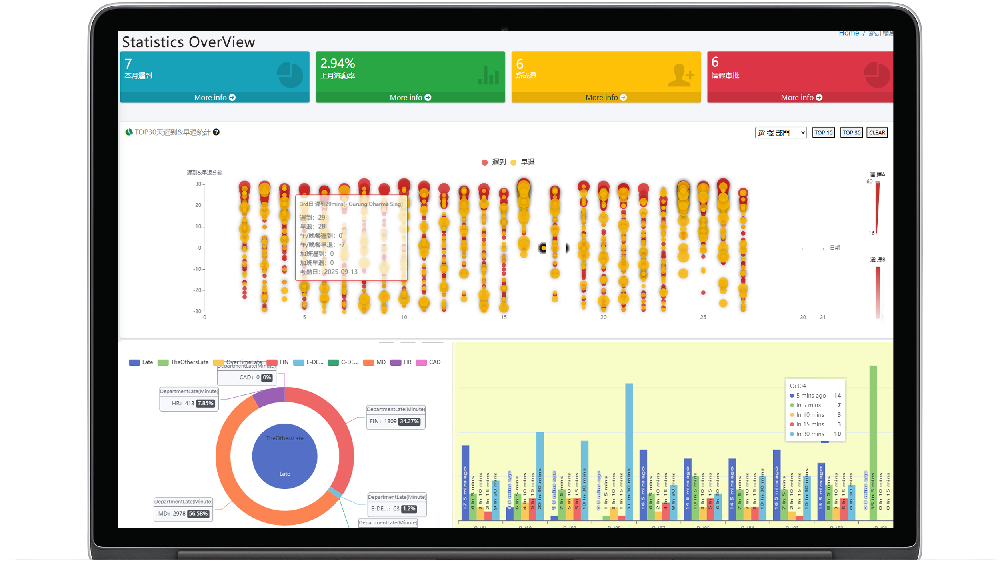
Time & Payroll Suite
Attendance, Payroll and Access Control Solution for Cost Reduction and Productivity Gains Details
All‑in‑one automated timekeeping and payroll system with robust, secure processes to guarantee payroll integrity. Includes leave management, shift rostering, multi‑site and chain support, multi‑ledger accounting, and comprehensive modules.
New DEVB Site Safety Standards: How Smart Monitoring Systems Help You Avoid Legal Risks
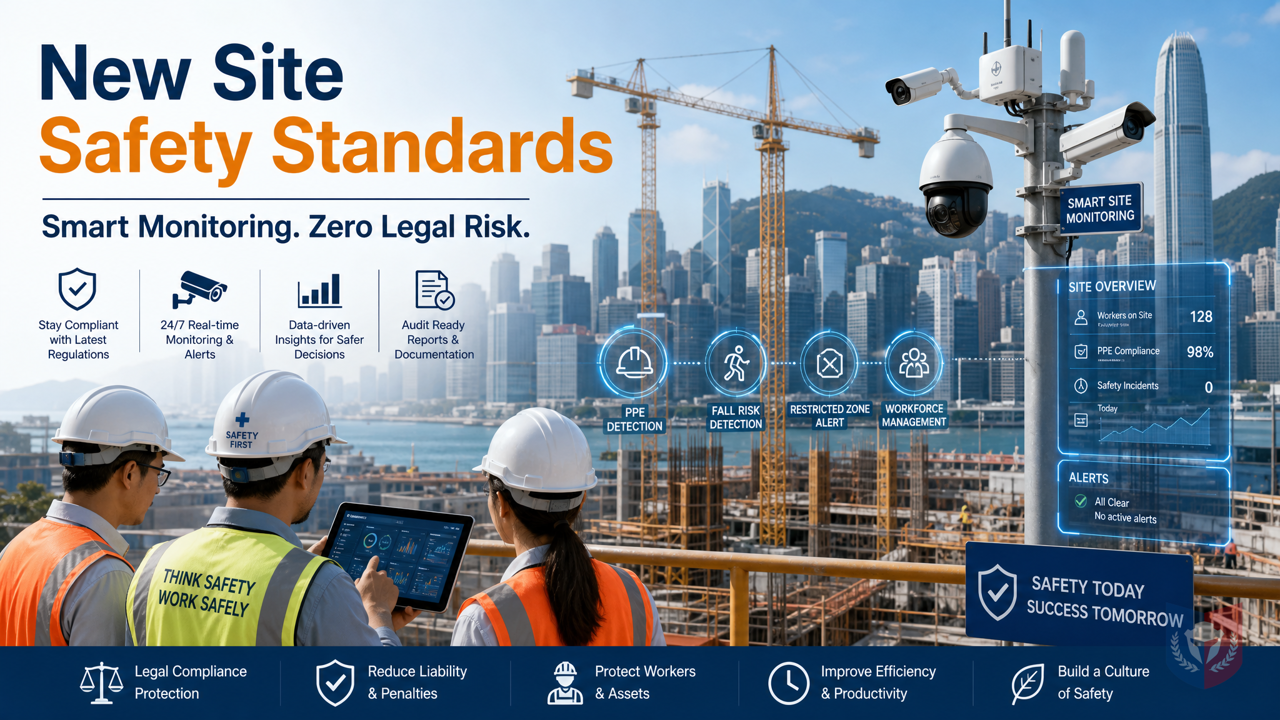
The Hong Kong Construction Industry Council (CIC) and the Development Bureau (DEVB) have recently introduced major new regulations on site safety and digitalized subcontractor registration, presenting new challenges for engineers, project managers (PMs), and construction professionals. The new standards not only demand stricter site safety management but also emphasize digital records and real-time monitoring to ensure compliance and avoid legal liability. This article explains the key points of the new regulations and explores how smart monitoring systems can help management monitor site safety in real time and reduce violation risks.
Key Points of New Regulations: Site Safety and Digitalized Subcontractor Registration
The new DEVB site safety standards require responsible engineers to ensure sites comply with the latest safety guidelines, including workers wearing safety equipment, dangerous area control, and monitoring high-risk processes. Meanwhile, digitalized subcontractor registration means all subcontractor information, safety records, and training certificates must be stored electronically and readily available for inspection. This aims to enhance transparency and accountability but also increases administrative burden and legal risks for management.
In the event of a workplace accident, management may face investigation and must provide complete records proving reasonable safety measures were taken. Traditional manual inspections and paper records are difficult to cover comprehensively and prone to omissions. Smart monitoring systems have thus become a key tool for site compliance.
Functional Benefits of Smart Monitoring Systems
Smart monitoring systems use AI video analytics to automatically detect whether workers are wearing safety helmets, harnesses, and other equipment. They can set virtual fences around dangerous areas (e.g., under cranes, edge openings) and trigger alerts upon intrusion. The system also records all events, creating tamper-proof digital evidence for management to respond quickly to incidents and provide strong evidence in accident investigations.
Additionally, the system can integrate subcontractor registration data to automatically check personnel qualifications, ensuring only compliant workers enter the site. This not only reduces violation risks but also improves overall safety management efficiency. For project managers and responsible engineers, a smart monitoring system acts like a 24/7 safety officer, significantly reducing legal liability.
Considerations for Purchasing Smart Monitoring Systems
When selecting such systems, consider the following:
- Coverage: Can the system cover all high-risk areas? Are camera resolution and night vision adequate?
- Ease of Use: Is the management interface intuitive? Can it integrate with existing site management systems?
- Alert Mechanism: Are alerts pushed instantly to mobile phones or control centers? Can alert conditions be customized?
- Recording and Reporting: Can the system automatically generate compliance reports? Does data retention meet regulatory requirements?
- Scalability: Can cameras or functions be added as site scale changes?
- Vendor Support: Does the vendor provide installation, training, and after-sales maintenance?
Conclusion: Deploy Early to Avoid Legal Risks
Under the new DEVB standards, site compliance requirements will only become stricter. Smart monitoring systems are not just a technology investment but a risk management strategy. Responsible engineers and project managers should understand the new regulations early, choose suitable smart monitoring solutions to ensure site safety, comply with regulations, and avoid potential legal liability. Take action now to upgrade your site with smart safety monitoring.






























Featured Reviews
No reviews yet. Be the first to leave one.
Write a review
Supports bold and lists; do not paste external scripts or images
0 / 2000
Visible after review