Must-Read for Scheduling Managers: Shift Swaps and Leave Requests in One Click — A DGX-HRMS Practical Checklist
New site attendance rules require greater scheduling transparency. How can chain store managers use systematic tools to handle shift swap and leave challenges? This article uses five checkpoints to break down how DGX-HRMS streamlines scheduling, approvals, attendance, and payroll into one seamless flow.
Time & Payroll Suite
Attendance, Payroll and Access Control Solution for Cost Reduction and Productivity Gains Details
All‑in‑one automated timekeeping and payroll system with robust, secure processes to guarantee payroll integrity. Includes leave management, shift rostering, multi‑site and chain support, multi‑ledger accounting, and comprehensive modules.
Must-Read for Scheduling Managers: Shift Changes and Leave Requests in One Click — DGX-HRMS Practical Checklist
Recent construction site attendance regulations place higher demands on frontline scheduling transparency. If chain store managers and scheduling managers still rely on Excel to handle shift changes and leave requests, they are bound to get overwhelmed. The following five checkpoints help you review your existing processes and understand how DGX-HRMS responds to the new regulations in a systematic way.
1. Are there systematic templates for fixed shifts, rotating shifts, and flexible shifts?
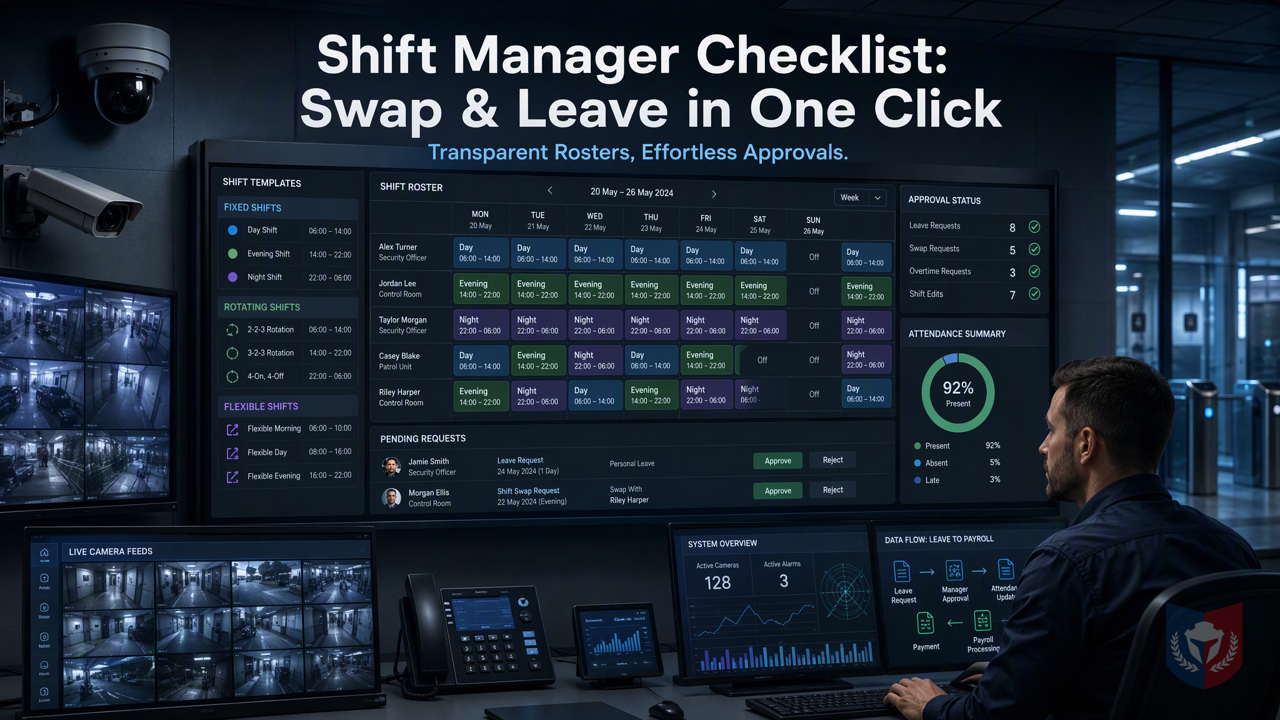
The most common breakdown scenario in Excel scheduling is mixing different shift types together, where changing one cell corrupts the whole table. DGX-HRMS provides scheduling templates for fixed shifts, rotating shifts, and flexible shifts. Scheduling managers can pre-set shift rules, and the system generates schedules according to the rules, reducing manual input errors. When chain store scheduling involves multiple branches and multiple shifts, template-based management ensures consistent schedule formats across stores, making central coordination easier.
2. Are shift change requests automatically compared with the original schedule?
If employees submit shift change requests verbally or on paper, scheduling managers must manually check the original schedule, which makes omissions easy. The shift change request function in DGX-HRMS automatically links to the original schedule, displays the affected shifts and employees, and flags conflicts. When scheduling managers approve, the system has already compared the old and new schedules, saving the time of checking item by item and making shift changes and leave requests flow more smoothly.
3. Can leave approvals be reflected immediately in scheduling vacancies?
If leave is approved but the schedule is not updated immediately, staffing shortages may result. After a leave request is approved, DGX-HRMS automatically marks the vacancy on the schedule and can notify relevant personnel to fill in. Scheduling managers can immediately see which shifts are affected and arrange replacements as early as possible, avoiding gaps on the frontline.
4. Are approval records traceable?
Compliance management requires that the approval process have records available for review. Both shift change and leave approvals in DGX-HRMS leave records, including request time, approver, and approval result, making it easy for scheduling managers to review later or respond to audits. Systematic records reduce disputes and also meet the transparency requirements of the new construction site attendance regulations.
5. How do scheduling results feed back into attendance and payroll?
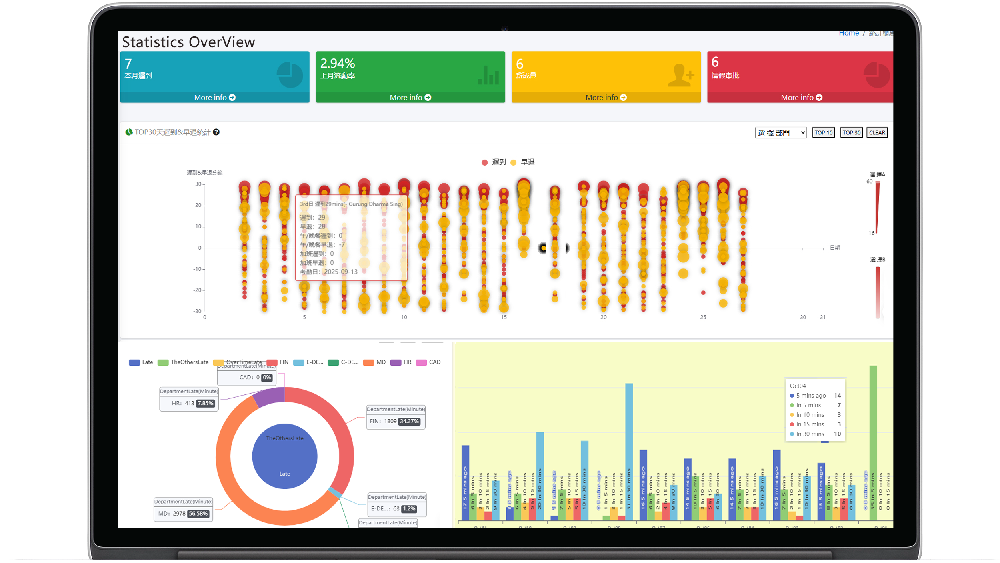
Scheduling ultimately has to be implemented in attendance and payroll. DGX-HRMS feeds scheduling results directly back into attendance management. Employees' attendance records are automatically compared with the schedule, and anomalies such as lateness, early departure, and absence are clear at a glance. Attendance data is then linked to payroll, reducing manual errors in organizing work hours. With integrated chain store scheduling and attendance management, scheduling managers no longer need to move data across systems, saving time and improving accuracy.
Practical Summary
Facing the new construction site attendance regulations, rather than continuing to patch things up with Excel, it is better to use DGX-HRMS to connect scheduling, shift changes, leave, attendance, and payroll. The five points above are exactly the checklist that scheduling managers must read. Want to experience the "one-click" scheduling process for yourself? Contact us now to arrange a system demonstration.
































Featured Reviews
No reviews yet. Be the first to leave one.
Write a review
Supports bold and lists; do not paste external scripts or images
0 / 2000
Visible after review