Struggling to Hire in Retail? How Smart Attendance Helps Stores Retain Frontline Staff
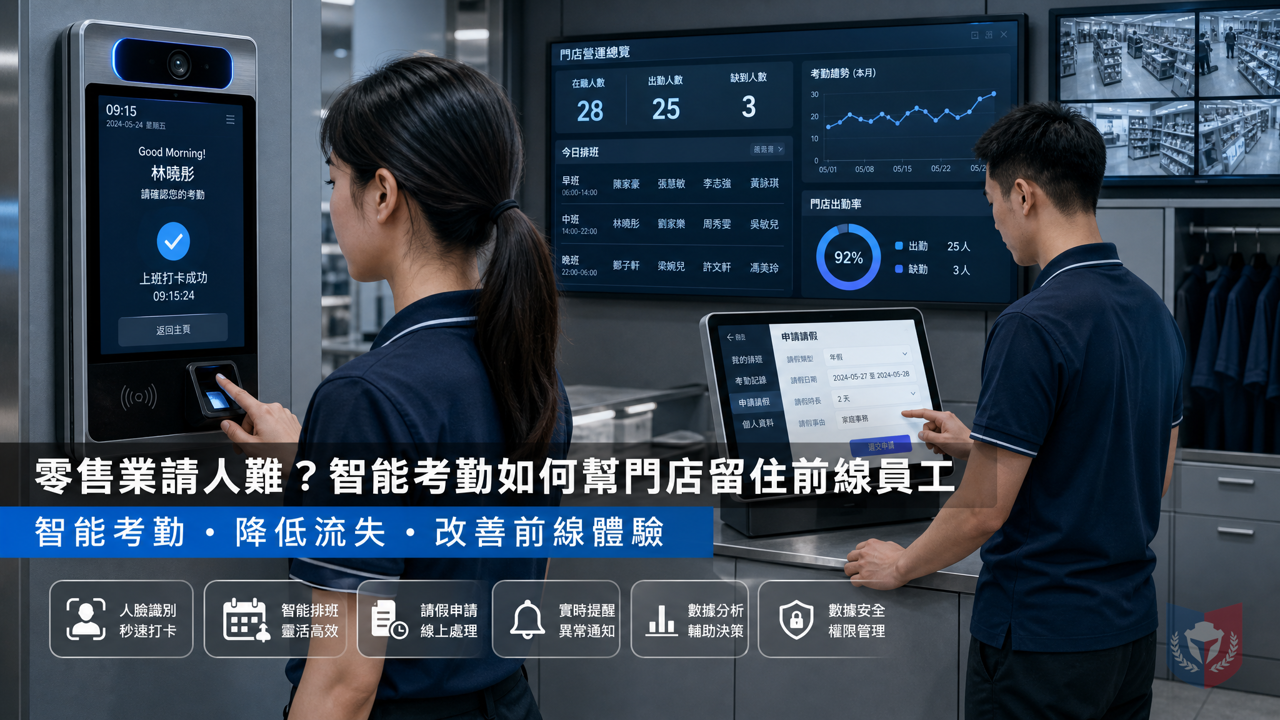
Facing labour shortages and high turnover in retail, smart attendance systems enhance frontline employee experience through self-service shift checks, fast leave approvals, and accurate part-time payroll—a key tool for operations directors and store managers to improve retention.
Time & Payroll Suite
Attendance, Payroll and Access Control Solution for Cost Reduction and Productivity Gains Details
All‑in‑one automated timekeeping and payroll system with robust, secure processes to guarantee payroll integrity. Includes leave management, shift rostering, multi‑site and chain support, multi‑ledger accounting, and comprehensive modules.
Retaining Frontline Staff: A New Mindset Amid Retail Labour Shortages
In recent years, Hong Kong's retail industry has faced severe manpower challenges. According to public industry surveys, staff turnover in retail remains persistently high, with frontline sales staff often staying less than two years on average. Recruitment costs continue to rise, yet new hires leave shortly after onboarding, creating a vicious cycle. Operations directors and store managers widely report: hiring is hard, retention is harder.
Among the many factors affecting employee turnover, compensation and benefits are important, but daily work experience is often overlooked. Imagine: frontline staff spend time checking rosters, waiting days for leave approvals, and dealing with payroll errors that lead to disputes. These seemingly minor inconveniences erode employee loyalty over time.
Smart attendance systems are designed to address these pain points. They are not just clock-in tools but strategic investments to enhance employee experience and reduce turnover. Below, we explore how smart attendance helps retail chains retain frontline staff through practical store scenarios.
Pain Point 1: Difficult Shift Checking, Lack of Transparency
Traditional retail stores rely on paper rosters or WhatsApp groups to announce shifts. Employees often call managers to check, which is error-prone and time-consuming. Without advance knowledge of their schedules, frontline staff struggle to plan personal lives—work-life imbalance is a common reason for leaving.
Smart attendance systems offer self-service shift checking. Employees can view their real-time roster, remaining annual leave, and compensatory hours via a mobile app. The system automatically pushes shift change notifications, reducing miscommunication. This transparency makes employees feel respected and in control, increasing their willingness to stay.
Pain Point 2: Slow Leave Approvals, Affecting Morale
Frontline retail leave requests often require paper forms and wait for store manager or regional manager approval, which can take days. In emergencies, employees struggle to get timely leave, leading to absences or lateness that disrupt store operations.
Smart attendance systems support online leave applications and automated approval workflows. After submission, the system instantly notifies supervisors, who can approve with one click. It automatically updates rosters and leave balances, avoiding manual errors. A fast and fair leave mechanism significantly boosts employee satisfaction and reduces resentment from administrative delays.
Pain Point 3: Error-Prone Part-Time Payroll, Causing Disputes
Retail heavily employs part-time staff with fluctuating hours and complex payroll. Manual calculations often lead to omissions and errors, causing dissatisfaction and even labour disputes. Payroll disputes are a trigger for frontline resignations.
Smart attendance systems accurately record each employee's clock-in/out times, breaks, and overtime, automatically integrating with payroll rules. They support various pay methods, including hourly, daily, and commission, ensuring accurate part-time wages. Employees can check their hours and estimated pay anytime via the app, reducing disputes and building trust.
How Smart Attendance Improves Employee Experience and Retention
Summarising the above, smart attendance systems enhance frontline employee experience on three levels:
- Increased Autonomy: Self-service shift checking, leave application, and payroll viewing reduce reliance on management, empowering employees.
- Fairness and Transparency: Systematic recording and calculation avoid human bias, making employees feel fairly treated.
- Efficiency and Convenience: Fast approvals and automated processes save time and reduce administrative friction.
These improvements directly affect daily work morale and satisfaction. According to public HR research, when employees perceive company processes as fair and efficient, their intention to stay increases significantly. Smart attendance systems are a practical tool to achieve this.
Benefits for Store Managers: Focus on Sales, Boost Performance
For store managers, smart attendance systems also bring immense value. Traditionally, managers spend much time handling attendance exceptions, approving leave, and verifying hours—administrative work that takes time away from sales and customer service.
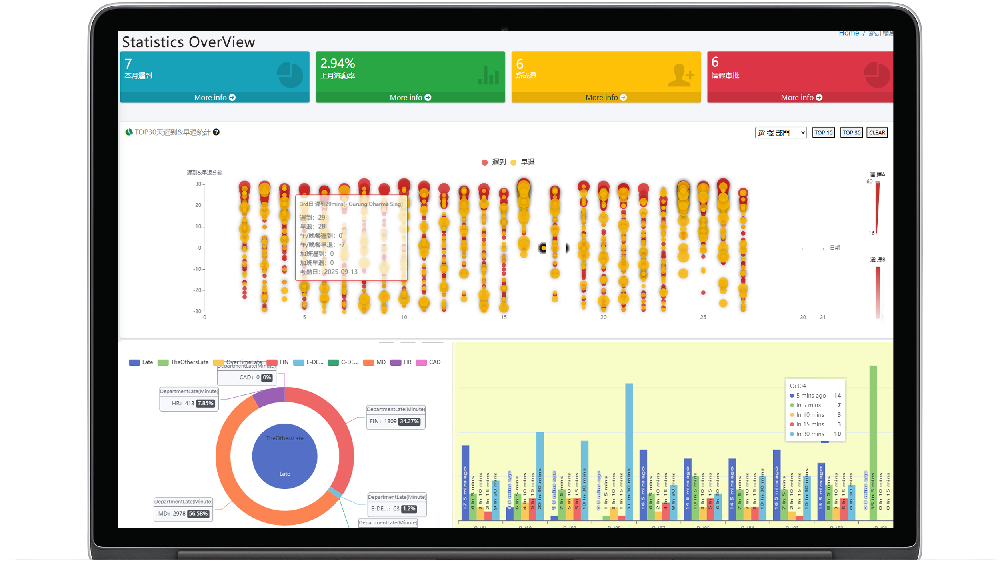
Smart attendance systems automate these processes. Managers can view store attendance status via a dashboard, with automatic alerts for anomalies. They can refocus on team motivation, product training, and sales strategies, directly driving performance. When managers effectively manage teams, frontline staff feel more supported, creating a virtuous cycle.
Key Considerations for Choosing a Smart Attendance System
Retail chains should consider the following when selecting a smart attendance system:
- Mobile Support: Frontline staff may not always use computers; a mobile app is essential for anytime, anywhere access.
- Multi-Store Management: Chains need cross-store staffing; the system should support multi-store attendance and scheduling.
- Compliance: The system must comply with Hong Kong employment ordinances, accurately calculating statutory holidays, rest days, and overtime compensation.
- Integration: Ability to connect with existing payroll or HR systems to reduce duplicate entry.
- Employee Experience: Simple, intuitive interface requiring minimal training.
Conclusion: People First, Starting with Attendance
Hiring is hard in retail, and retention is harder. Rather than constant recruitment, start by improving the experience of existing employees. Smart attendance systems not only solve administrative pain points like payroll errors and slow approvals but also enhance frontline satisfaction and loyalty through empowerment and transparency. When employees feel valued, they are more willing to grow with the store.
For operations directors and store managers, investing in a smart attendance system is a decision with clear returns: reduced turnover, lower recruitment costs, improved operational efficiency, and ultimately better business performance. In an era of tight manpower, this is a key step for retail chains to stay competitive.





























Featured comments
No comments yet. Be the first.
Leave a comment
Bold and lists OK; no external scripts or images
0 / 2000
Comments appear after moderation