Retail Management Through the Lens of Working-Hours Disputes: The Evidentiary Value of Surveillance Systems and a Purchasing Guide
Wage-hour disputes in retail often lack objective evidence. This article explores how surveillance systems provide timestamped video evidence to enhance management transparency, and shares purchasing tips and applications to help reduce labor dispute risks and create long-term returns.
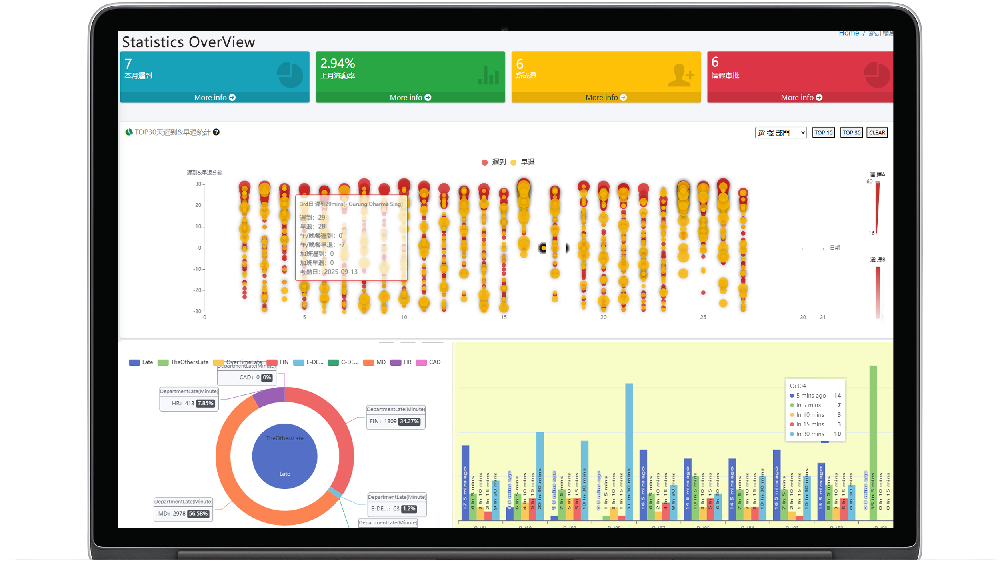
Time & Payroll Suite
Attendance, Payroll and Access Control Solution for Cost Reduction and Productivity Gains Details
All‑in‑one automated timekeeping and payroll system with robust, secure processes to guarantee payroll integrity. Includes leave management, shift rostering, multi‑site and chain support, multi‑ledger accounting, and comprehensive modules.
Working-Hours Disputes on the Rise: How Can Retailers Protect Themselves?
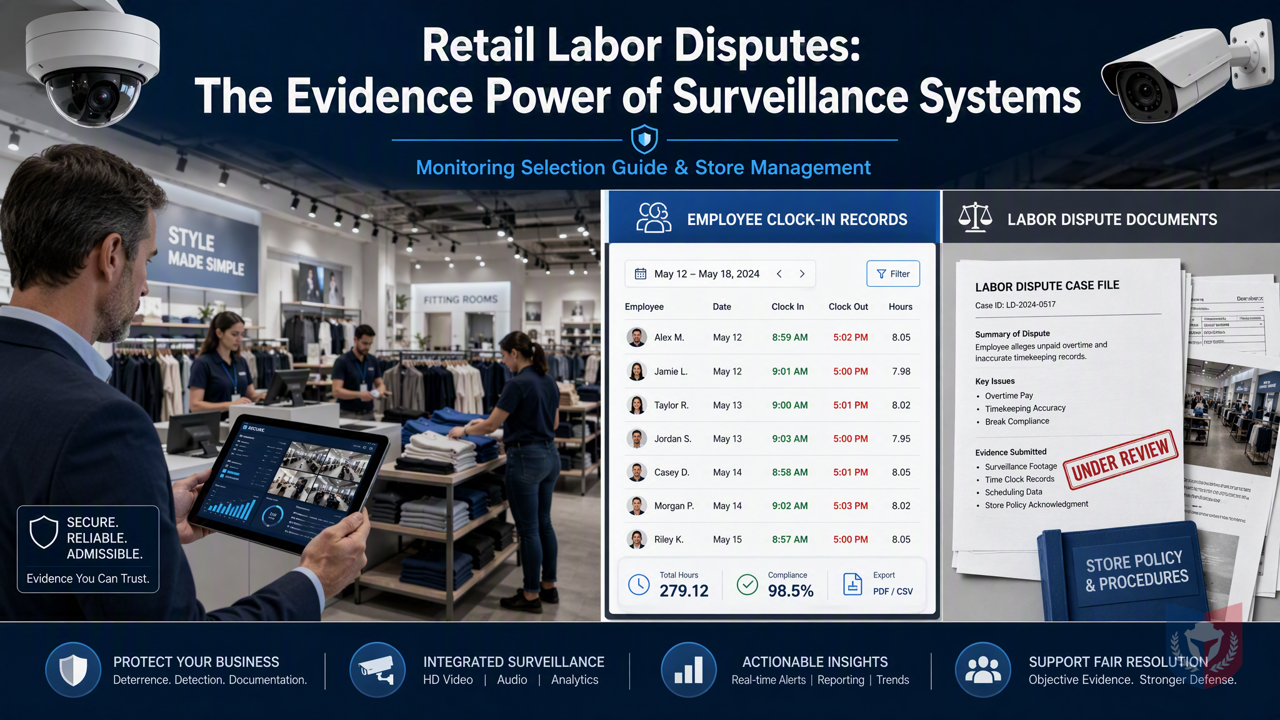
In recent years, working-hours disputes in the retail industry have become increasingly common. From overtime work and overtime pay calculations to the determination of rest days, both employers and employees often find themselves in a situation where evidence is hard to obtain. For store operators, effectively managing working hours and reducing the risk of labor disputes has become an unavoidable issue. This article explores the evidentiary value of surveillance systems in working-hours disputes from a practical perspective and provides a purchasing guide to help you strengthen store management.
Common Types of Working-Hours Disputes and Evidentiary Challenges
Retail scheduling is flexible, with a mix of part-time and full-time employees, often leading to the following disputes:
- Overtime pay disputes: Employees claim overtime, while employers believe they stayed voluntarily.
- Determination of rest days and statutory holidays: Both parties have different perceptions of attendance records.
- Working-hour calculation errors: Clock-in records do not match actual working hours.
When these disputes enter mediation or litigation, the burden of proof often falls on the employer. Relying solely on paper attendance sheets or verbal agreements can lead to losing the case due to incomplete records or human factors. Therefore, establishing an objective and continuous recording mechanism is crucial.
How Surveillance Systems Become Key Evidence in Working-Hours Disputes
Surveillance systems (CCTV) are not only for theft prevention; they can also provide objective video records that reconstruct the time points of employees entering and leaving the store and their actual working conditions. For example:
- Entry and exit records: Cameras aimed at entrances can corroborate employees' clock-in and clock-out times.
- Work footage: Images of counters and shelf areas can show whether employees are on duty performing their tasks.
- Event retrieval: When a dispute arises, footage from a specific period can be retrieved to clarify the facts.
It is important to note that surveillance footage as evidence must comply with legal regulations, such as the Personal Data (Privacy) Ordinance, and employees must be clearly informed of the surveillance scope and purpose within the store. At the same time, the retention period of footage and access permissions should be properly managed to avoid other disputes.
Retail Surveillance System Purchasing Guide
Choosing the right surveillance system can not only enhance store security but also assist in working-hour management. Here are the key purchasing points:
1. Image Quality and Coverage
- Resolution: At least 1080p to ensure faces and actions are clearly identifiable.
- Coverage areas: Entrances, cash registers, and work areas must be covered to avoid blind spots.
- Night vision: Retail stores may operate late; infrared night vision is indispensable.
2. Storage and Backup
- Storage capacity: Calculate based on the number of cameras and retention days; at least 30 days is recommended.
- Backup mechanism: Support cloud or external hard drive backup to prevent data loss.
- Remote access: Retrieve footage anytime via mobile or computer for easy management.
3. Smart Features
- Motion detection: Triggers recording to save storage space.
- Face recognition: Can assist in employee attendance management, but privacy compliance must be noted.
- Timestamp: Footage must accurately indicate time to facilitate evidence.
4. Installation and Maintenance
- Professional installation: Ensure correct angles and safe wiring.
- Regular maintenance: Check lens cleanliness and system updates to maintain normal operation.
- Legal compliance: Post surveillance notices and comply with local regulations.
Management Applications: Reducing the Risk of Labor Disputes
Beyond post-event evidence, surveillance systems can be used for daily management:
- Attendance assistance: Combine with access control or clock-in systems to verify working hours against footage.
- Performance evaluation: Observe employee work status as a reference for assessments.
- Training: Use footage to review work processes and improve efficiency.
However, managers should avoid excessive monitoring, respect employee privacy, and clearly communicate the purpose of surveillance to build mutual trust.
Conclusion
Prevention is better than cure when it comes to working-hours disputes. Through a suitable retail surveillance system, you can not only strengthen store security but also provide objective evidence for working-hours disputes, reducing the risk of labor disputes. When purchasing, consider image quality, storage, smart features, and legal compliance comprehensively, and integrate the surveillance system into daily management to maximize benefits. Review your store's surveillance configuration today and add an extra layer of protection to your management.
































Featured comments
No comments yet. Be the first.
Leave a comment
Bold and lists OK; no external scripts or images
0 / 2000
Comments appear after moderation