Resolving Working Hour Disputes in Retail: How Surveillance Systems Protect Both Employers and Employees
Working hour disputes are a major pain point in retail, affecting morale and reputation. This article explores how surveillance systems provide fair records to protect both parties, with implementation steps and case studies to help you build a fair and transparent workplace.
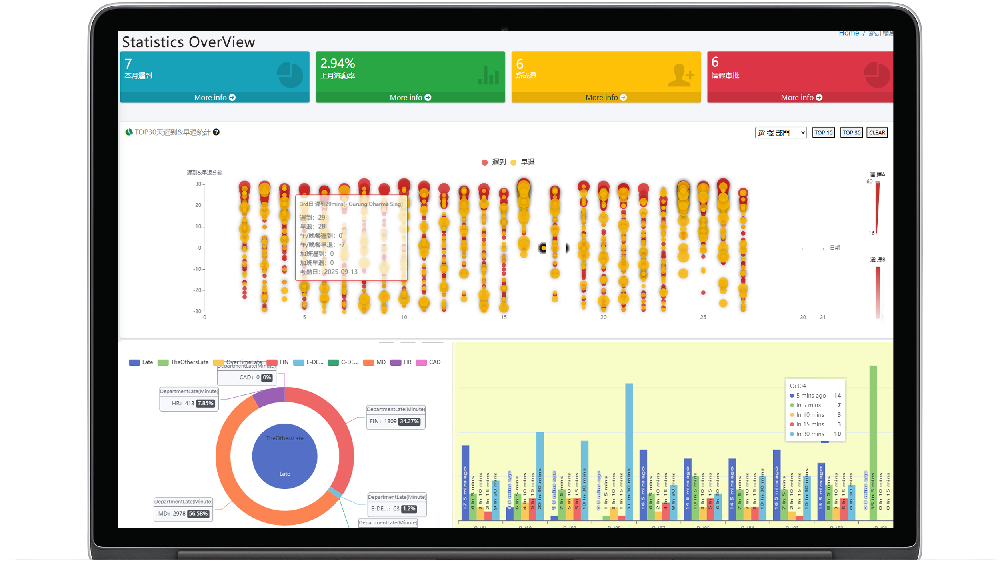
Time & Payroll Suite
Attendance, Payroll and Access Control Solution for Cost Reduction and Productivity Gains Details
All‑in‑one automated timekeeping and payroll system with robust, secure processes to guarantee payroll integrity. Includes leave management, shift rostering, multi‑site and chain support, multi‑ledger accounting, and comprehensive modules.
The Impact of Working Hour Disputes on Employers and Employees
Working hour disputes have long plagued the retail industry, posing headaches for HR departments and store managers alike. These disputes often arise from inaccurate records, poor communication, or differing perceptions, negatively impacting both employers and employees.
Impact on Employees
When employees feel that their working hours are unfairly recorded, it can lead to low morale, decreased engagement, and even turnover. Accumulated dissatisfaction may escalate into labor disputes, affecting livelihoods and career development.
Impact on Employers
Employers face risks including legal costs, reputational damage, recruitment difficulties, and reduced productivity. Even if an employer ultimately wins a dispute, the process consumes significant time and resources.
How Surveillance Systems Provide Fair Records to Protect Both Parties
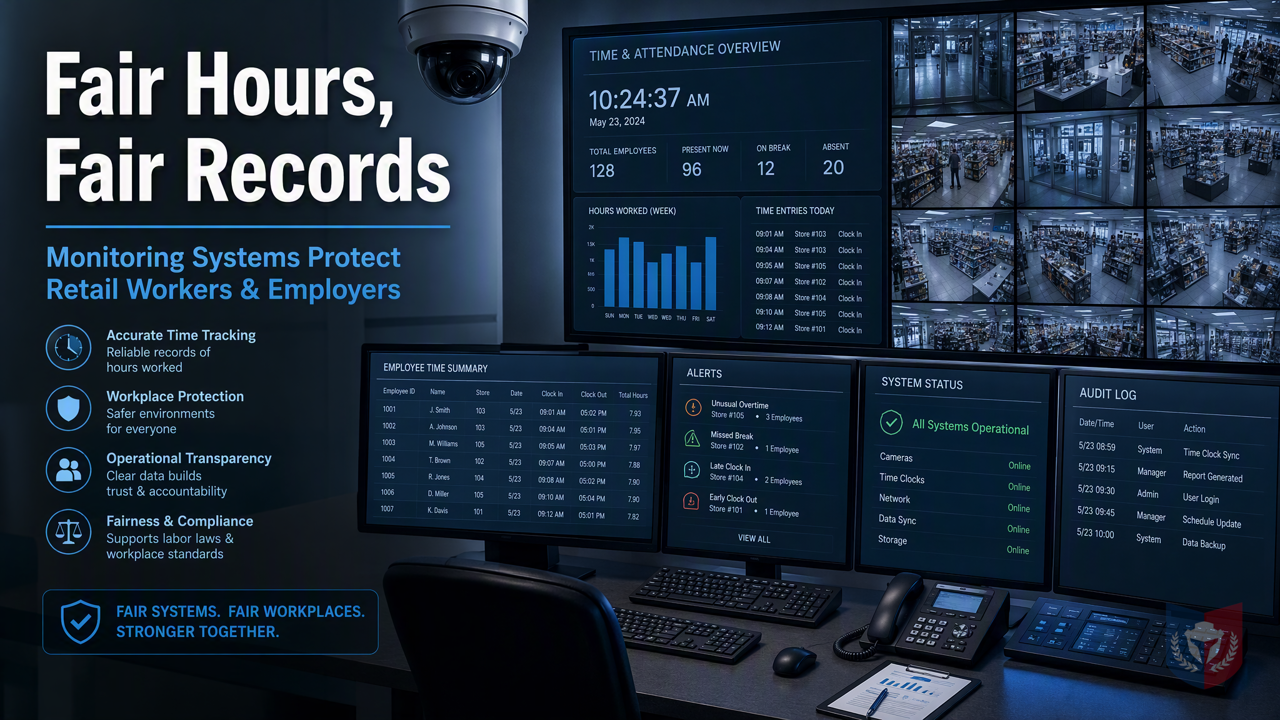
Surveillance systems play a key role in retail management by providing objective, fair records that serve as a powerful tool for resolving working hour disputes.
The Importance of Fair Records
A reliable surveillance system accurately records employees' clock-in and clock-out times, breaks, and overtime, avoiding human error or disputes. These records become a common basis for communication between employers and employees, reducing misunderstandings.
Protecting Rights
For employees, surveillance systems ensure their hours are accurately calculated and overtime pay is fairly disbursed. For employers, the system provides evidence to prevent false claims and optimize management efficiency.
Public Feature Introduction
Modern surveillance systems come with multiple features that effectively assist retail management in tracking hours and protecting rights.
Permission Management
The system allows setting user permissions at different levels. For example, store managers can view all records, while employees can only access their own data, ensuring privacy and security.
Record Keeping
The system can store working hour records long-term and retrieve them at any time, facilitating audits or dispute resolution by HR.
Report Generation
The system can automatically generate timesheets, simplifying payroll processes and reducing human error.
Steps and Precautions for System Implementation
Implementing a surveillance system requires careful planning to ensure smooth rollout and desired outcomes.
Step 1: Needs Assessment
Understand the store's specific needs, such as which working hour data to record and which types of disputes to resolve.
Step 2: Choose the Right System
Select a surveillance system that matches your needs, considering scalability and after-sales support.
Step 3: Employee Communication
Explain that the system's purpose is fair recording, not surveillance, to reduce resistance.
Step 4: Training and Pilot
Provide operation training and pilot in a small scope, collecting feedback before full implementation.
Precautions
Ensure the system complies with local labor laws and respects employee privacy to avoid legal issues.
Case Study: Reducing Misunderstandings and Disputes Through the System
A retail chain reduced working hour dispute cases by 70% after implementing a surveillance system. The store manager noted that the system's accurate records gave employees evidence when making claims, enabling more rational communication. For instance, an employee claimed unpaid overtime, but after checking the system records, it was found to be a clock-in error, and the misunderstanding was quickly clarified.
Purchasing Advice
When choosing a surveillance system, focus on reliability, ease of use, and compliance. It is advisable to select reputable suppliers and refer to the experiences of other retailers.
Conclusion
Working hour disputes are a common pain point in retail, but through fair records provided by surveillance systems, the rights of both employers and employees can be protected. Investing in a suitable system not only reduces disputes but also enhances management efficiency and employee satisfaction, creating a win-win situation.
































Featured comments
No comments yet. Be the first.
Leave a comment
Bold and lists OK; no external scripts or images
0 / 2000
Comments appear after moderation