Smart Scheduling for Restaurants: DX-RM S Flexibly Manages Morning and Evening Shifts, Optimizing Catering HR
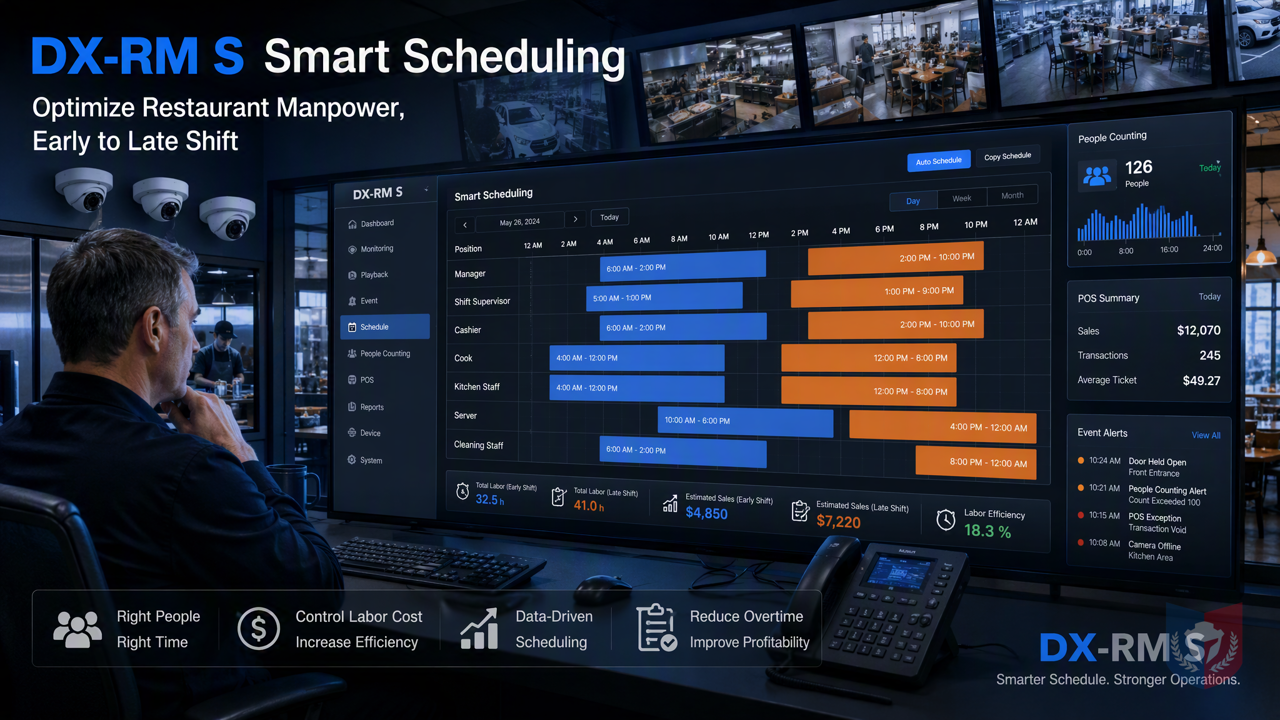
Facing labor shortages, how can restaurants use DX-RM S attendance system to achieve flexible scheduling from 5 AM to night, effectively utilizing every bit of manpower for smoother operations.
Time & Payroll Suite
Attendance, Payroll and Access Control Solution for Cost Reduction and Productivity Gains Details
All‑in‑one automated timekeeping and payroll system with robust, secure processes to guarantee payroll integrity. Includes leave management, shift rostering, multi‑site and chain support, multi‑ledger accounting, and comprehensive modules.
Restaurant Morning and Evening Shift Scheduling Made Simple: DX-RM S Attendance and Scheduling System Flexibly Allocates Staff, Optimizing Human Resources for Smoother Operations
Hong Kong's restaurants and teahouses are renowned for their morning tea culture, opening as early as 5 AM. Dim sum chefs, floor staff, and food runners are all in position to welcome the first wave of tea drinkers. However, with increasingly scarce human resources, especially in physically demanding industries where hiring is difficult and retention even harder, effective shift management has become a major challenge for restaurant operations. Many restaurants adopt a two-shift system: the morning shift runs from 5 AM to 2 PM, and the evening shift starts at 5 PM and continues into the night. While this gap appears to be a rest period, poor scheduling often leads to wasted manpower. This article explores the pain points of restaurant scheduling and introduces how the DX-RM S attendance and scheduling system uses flexible scheduling mechanisms to help catering managers optimize human resources, ensuring efficient operations from morning to evening.
Pain Points of Two-Shift Scheduling in Restaurants
The operational rhythm of a restaurant is quite different from that of a regular eatery. The Cantonese yum cha habit makes the morning market one of the busiest times of the day, from 5 AM to 2 PM, requiring a large number of floor staff to handle dim sum carts, tea service, and billing. After 2 PM, customer flow gradually decreases, and some staff take a break. At 5 PM, the evening market ushers in another peak that lasts until late night. While this two-shift system aligns with customer flow patterns, it gives rise to the following issues:
- Difficult manpower allocation: Morning and evening shifts have different demands, and employees have varying skills. Placing the right person in the right shift tests the manager's experience.
- Time-consuming and laborious scheduling: Manual scheduling is prone to errors. Sudden leave requests, overtime, and shift swaps further complicate matters.
- Wasted manpower: Overstaffing during off-peak hours and understaffing during peak hours lead to decreased service quality or increased overtime costs.
- Low employee satisfaction: Unfair scheduling and chaotic shifts affect morale and exacerbate turnover.
These pain points are more pronounced in an environment of scarce human resources. If restaurants fail to manage scheduling effectively, they not only waste manpower but may also hurt business.
DX-RM S Attendance and Scheduling System: The Flexible Scheduling Solution
DX-RM S is designed specifically for the catering industry. Addressing the unique needs of restaurant morning and evening shifts, it provides a flexible scheduling mechanism. The system allows managers to easily set different shifts based on actual customer flow forecasts and adjust staffing configurations in real time. Here are several key ways DX-RM S helps restaurants optimize human resources:
1. Dynamically Adjust Shifts in Response to Customer Flow Changes
DX-RM S allows managers to pre-set multiple shift templates, such as morning shift, evening shift, full-day shift, and peak support shift. The system can combine historical data or manager-input customer flow forecasts to suggest the minimum staffing required for each time period. If a large tour group is expected for morning tea one day, managers can quickly increase morning shift staff; if the evening market is expected to be quieter due to rain, evening staff can be reduced accordingly. This dynamic adjustment capability maximizes the use of human resources and avoids idle time during off-peak hours.
2. Simplify the Scheduling Process and Reduce Human Errors
Traditional manual scheduling often requires repeated communication and revisions. DX-RM S provides an intuitive scheduling interface where managers can complete shift assignments with simple drag-and-drop actions. The system automatically checks compliance with employee working hours, rest days, overtime limits, and other requirements, reducing the risk of violations. Employees can also view their schedules via mobile phone and submit shift swap requests. The system automatically notifies the relevant supervisor for approval, eliminating cumbersome paperwork.
3. Optimize Overtime Costs and Improve Operational Efficiency
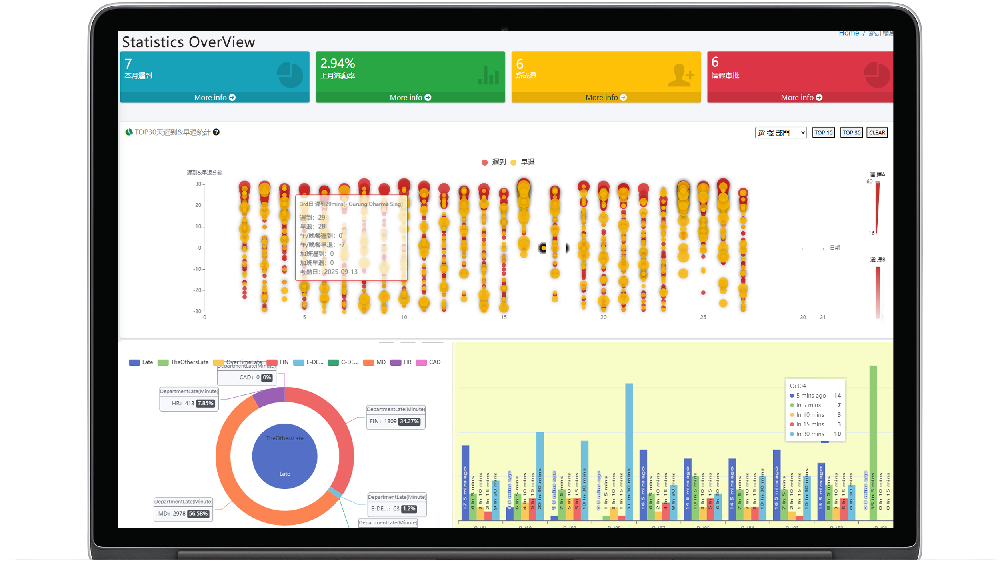
Restaurant evening shifts often require overtime, but overtime costs are high. DX-RM S accurately records each employee's actual working hours and compares them with the scheduled plan, instantly displaying overtime situations. Managers can use system reports to analyze which periods frequently require overtime, thereby adjusting scheduling strategies—for example, adding part-time staff or redistributing work—to reduce overtime expenses. In the long run, this helps control labor costs and improve overall operational efficiency.
4. Enhance Employee Satisfaction and Reduce Turnover
Flexible scheduling benefits not only managers but also employees. DX-RM S supports employee preference settings, such as a preference for more morning or evening shifts, which can be taken into account during scheduling to improve fairness. Employees can know their schedules in advance, making it easier to plan personal lives, which naturally fosters a stronger sense of belonging. In industries with scarce human resources, retaining talent is more important than recruiting. DX-RM S is a tool that helps restaurants build a good employer image.
Scenario-Based Benefits: Smooth Operations from Morning to Evening
Imagine a typical day in a restaurant: at 4:30 AM, dim sum chefs arrive one after another, and floor staff begin setting up tables and chairs. The manager checks the morning shift staffing via DX-RM S, confirming all key positions are arranged. At 7 AM, the morning tea crowd pours in, and the system shows sufficient floor staff for smooth service. At 2 PM, morning shift employees clock off, the system automatically calculates working hours, and reminds the manager that evening shift employees will arrive at 5 PM. At 4 PM, the manager notices more evening reservations than expected and immediately deploys two part-time employees through the system to support, notifying the relevant staff. At 9 PM, the evening peak has passed, and the system suggests sending some employees home early to save manpower. Throughout the process, DX-RM S acts like an invisible operational assistant, making scheduling no longer a burden.
Key Points for Choosing a Scheduling System
For restaurant managers considering a scheduling system, the following points are worth noting:
- Industry suitability: Does the system understand the scheduling characteristics of the catering industry, such as two-shift systems, peak hours, and sudden leave?
- Flexibility: Can it quickly adjust shifts and support multiple scheduling rules?
- Compliance: Does it automatically comply with labor laws to reduce legal risks?
- Employee experience: Can employees easily view schedules and request shift swaps?
- Data analysis: Does it provide useful reports to assist managerial decisions?
DX-RM S excels in these aspects and is an ideal choice for restaurants to optimize human resources.
Conclusion
Restaurant scheduling is no longer complicated. DX-RM S attendance and scheduling system, with its flexible scheduling mechanism, helps catering managers fully utilize human resources and operate efficiently from morning to evening. Whether addressing human resource shortages or improving operational efficiency, DX-RM S delivers tangible benefits for restaurants. Discover today how DX-RM S can make your restaurant scheduling more flexible and efficient.





























Featured comments
No comments yet. Be the first.
Leave a comment
Bold and lists OK; no external scripts or images
0 / 2000
Comments appear after moderation